

Frequently Asked Questions
What happens in a therapy session?
Generally, therapy sessions happen weekly for 55 minutes each session.
The therapist will ask questions, and the client will talk about things that are challenging. In some of the sessions, the client may process feelings, and some may be focused on working on goals identified in the first few sessions. The client is never forced to talk about things that are too overwhelming, and the therapist will often provide skill-building and psychoeducation to help the client learn ways to self-regulate in times of stress.
Therapy requires active participation of the client and therapist, and sometimes the client will have tasks to complete outside of therapy in order to practice new skills or track observations of self.
The therapist will ask questions, and the client will talk about things that are challenging. In some of the sessions, the client may process feelings, and some may be focused on working on goals identified in the first few sessions. The client is never forced to talk about things that are too overwhelming, and the therapist will often provide skill-building and psychoeducation to help the client learn ways to self-regulate in times of stress.
Therapy requires active participation of the client and therapist, and sometimes the client will have tasks to complete outside of therapy in order to practice new skills or track observations of self.
Are therapy sessions confidential?
The law requires that information between a therapist and client be kept confidential. Information cannot be released without written consent of the client. The only the exceptions to this confidentiality are when a person is in danger of hurting themselves, intends to hurt another, or when a minor is being hurt by others. Therapists are required by law to break confidentiality when:
- Client is suicidal or has intent to self-harm. The therapist will work to safety plan with the client, but a higher level of care may be needed to keep the client safe.
- Client states a threat to hurt another person. The therapist is required to report this threat to the police.
- A minor or elderly person may be the victim of abuse. The therapist is required by law to report this to Child Welfare Services.
Do you accept insurance?
All the clinicians in our practice have been paneled for the following insurance companies. If you are a member of one of these insurance plans, please reach out so we can verify your co-pay and coverage.
Is Teletherapy confidential?
Yes, we use a HIPPA-compliant version of Zoom for all teletherapy sessions. The State of California has standards of practice for the use of teletherapy, and we ensure these are carefully followed.
We will work from a confidential space, and for your confidentiality in your home, it is important to have a private space and ask family or housemates not to come in during your sessions.
We will work from a confidential space, and for your confidentiality in your home, it is important to have a private space and ask family or housemates not to come in during your sessions.
What if you do not take my insurance?
Many insurance companies do offer out-of-network benefits for mental health. This means your insurance may pay a portion of your bill even if we are not in your network. Please contact your insurance claims department to find out if this is an option. If so, you would pay for each session and we would provide you a super bill which you can then submit to your insurance to get reimbursed.
If you do not have out-of-network benefits, you can pay cash for sessions, or you can also use your Health Savings Account (HSA) or Family Savings Account (FSA) to pay for sessions.
Session fees:
If you do not have out-of-network benefits, you can pay cash for sessions, or you can also use your Health Savings Account (HSA) or Family Savings Account (FSA) to pay for sessions.
Session fees:
- $220 per session for Licensed Therapists
- $200 per session for Associate Therapists
I already have a therapist, can I see you too?
Generally, it is not appropriate to see two therapists at the same time unless they are working on vastly different issues. For example, a student may have a therapist in school to support problems with school, but then they might also have a therapist outside of school to provide therapy for social/emotional concerns at home.
If someone already has a therapist, we always suggest talking to that therapist about their treatment plan, progress, and what they still want to work on. It is then the client’s decision to determine whether that therapist is still a good fit, or they need the support of another therapist with a different specialty.
If someone already has a therapist, we always suggest talking to that therapist about their treatment plan, progress, and what they still want to work on. It is then the client’s decision to determine whether that therapist is still a good fit, or they need the support of another therapist with a different specialty.
You deserve to feel safe, supported, and whole.
Our therapists are here to walk with you every step of the way.
SCHEDULE A CONSULT TODAY
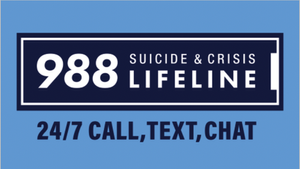
Are you in crisis?
If you are having thoughts of suicide or self-harm, or in danger of harm from others, reach out to these organizations for immediate support.




Thriving Spirit Counseling
admin@thrivingspirit.net
P: 805-669-6106 | F: 805-710-8882
143 Figueroa Street, Suite 11
Ventura, California 93003
THERAPY SERVICES
ADHD Therapist
Anxiety Therapy
Autism Therapist
Complex Trauma
Eating Disorders
Grief Therapy
Life Transitions
Midlife Transitions
Neurodivergent-Affirming
Parenting Neurodivergent Kids
Neuro Emotional Technique
Parenting Kids with Autism
Parenting Neurodivergent Kids
Safe & Sound Protocol
Social Anxiety
INSURANCES WE ACCEPT
Aetna
CalOptima
CenCal
Gold Coast
Medi-Cal
Optum
United Healthcare