
EATING DISORDER THERAPY in CALIFORNIA for TEENS & ADULTS
If you or a loved one is experiencing signs of an eating disorder, know that help is available.
ANOREXIA, BULIMIA, ARFID
Teens 14+ and ADULTS
WITH YOUR DIETICIAN

Understanding Eating Disorders
Eating disorders are serious mental health conditions involving unhealthy relationships with food, body image, and eating behaviors. They can affect anyone, regardless of age, gender, or background, and often co-occur with anxiety, depression, or obsessive-compulsive tendencies.
Common Types of Eating Disorders
Anorexia Nervosa
Restricting food, intense fear of weight gain, and distorted body image.
Bulimia Nervosa
Cycles of binge eating followed by compensatory behaviors (e.g., purging, excessive exercise).
Binge Eating Disorder
Recurrent episodes of eating large amounts of food with a sense of loss of control.
Avoidant/Restrictive Food Intake Disorder (ARFID)
Limiting food types or amounts without body-image concerns.
Recognizing the Signs and Symptoms of Eating Disorders
Emotional & Behavioral Indicators
- Preoccupation with weight, calories, and dieting
- Avoidance of meals or social situations involving food
- Rigid “food rules” or rituals (chewing excessively, cutting food into tiny pieces)
- Withdrawal from friends, family, or activities once enjoyed
- Extreme concern with body size and shape
Physical Indicators
- Noticeable weight changes (loss or gain)
- Stomach cramps, gastrointestinal complaints
- Dizziness, fainting spells
- Feeling cold more often than usual
- Sleep disturbances
- Dry skin, brittle nails, and thinning hair
Our Compassionate Approach
We provide individualized support for ages 14+ by utlizing:
Internal Family Systems (IFS)
A client explores the different “parts” of themselves that may be in conflict around food, body image, and identity. IFS supports healing by cultivating self-compassion and understanding the protective roles that disordered eating may play.
Dialectical Behavior Therapy (DBT)
Using practical tools from DBT, clients are supported in building skills for emotional regulation, distress tolerance, and mindfulness—especially helpful when facing urges or navigating difficult feelings without turning to disordered behaviors.
Collaborative & Trauma-Informed Care
We understand that eating disorders rarely exist in isolation. Our clinicians work holistically—considering the client’s full emotional and relational context—and collaborate with dietitians, medical providers, and family members when needed to support long-term healing.
Support at Every Step
Whether clients are just beginning to acknowledge their struggle or already on the path to recovery, Rachel meets them with empathy, insight, and steady guidance.
Our therapists who specialize in supporting individuals with eating disorders
Rachel brings extensive experience to support individuals look for support for body dysmorphia and eating disorders.
Rachel accepts private pay as well as several insurances.
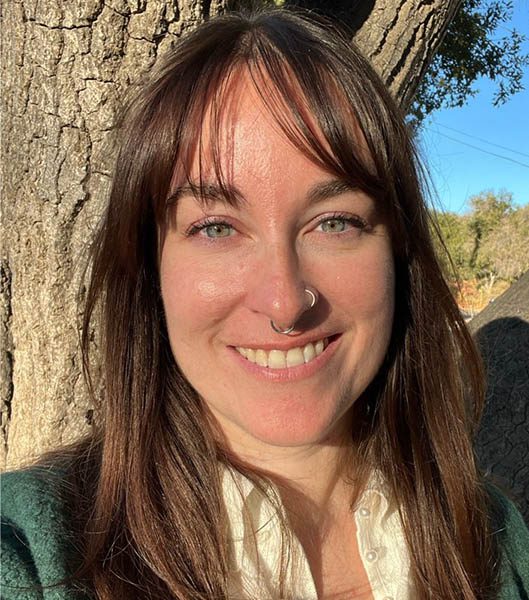
Rachel Cannon, AMFT
Associate Marriage Family Therapist
CA #146976
Supervised by Bonnie Landau Weed, LPCC CA#13456
Are you ready to begin?
Are you in crisis?
If you are having thoughts of suicide or self-harm, or in danger of harm from others, reach out to these organizations for immediate support.

Thriving Spirit Counseling
admin@thrivingspirit.net
P: 805-669-6106 | F: 805-710-8882
143 Figueroa Street, Suite 11
Ventura, California 93003
THERAPY SERVICES
ADHD Therapist
Anxiety Therapy
Autism Therapist
Complex Trauma
Eating Disorders
Grief Therapy
Life Transitions
Midlife Transitions
Neurodivergent-Affirming
Parenting Neurodivergent Kids
Neuro Emotional Technique
Parenting Kids with Autism
Parenting Neurodivergent Kids
Safe & Sound Protocol
Social Anxiety
INSURANCES WE ACCEPT
Aetna
CalOptima
CenCal
Gold Coast
Medi-Cal
Optum
United Healthcare